
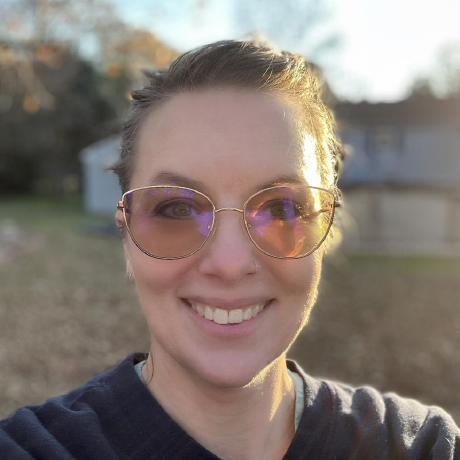




I test AI systems to see whether they can be trusted — and whether they actually work for the people they're meant to serve, including disabled people and others who usually get left out. My background is in accessibility and human-factors work, where I use a simple loop: take a rule, turn it into a check, gather evidence, record what passed or failed, and fix it. I now apply that same loop to AI, using the NIST AI RMF and the EU AI Act.
- 🤖 AI assurance & governance — testing and evaluating AI, checking it against the rules, and designing human oversight; working toward the AIGP certification
- 🧭 Ally HCI — my name for building and checking AI that works for disabled and excluded people from the start, not as an afterthought
- 🧠 Neurodiversity & Autism Studies researcher — inclusion based on lived experience, not just checklists
- 🔎 Accessibility roots: Certified Trusted Tester, WCAG 2.1, Section 508 — the base the rest is built on
- 🔗 ORCID 0009-0000-7426-9991
- ai-assurance-portfolio — sample AI-governance work: a full check of a sample AI system against the NIST AI RMF, the EU AI Act, and Section 508, plus a talk on inclusive AI.
- a11y-userscripts — small, accessible browser tools for hands-on WCAG / 508 testing — built to be accessible themselves.
The hard part of trustworthy AI isn't the model. It's whether the people on the edges can actually use it, understand it, and push back when it's wrong. That's where the rules meet real life: telling users when the AI isn't sure, making AI output work with screen readers, and watching for bias against disabled people or people with lower literacy. Ally HCI is my name for that work — building inclusion into AI testing instead of adding it on later.
I speak and write on inclusive AI, AI and accessibility, and what neurodivergent experience teaches us about design. (Talks and abstracts available on request.)